
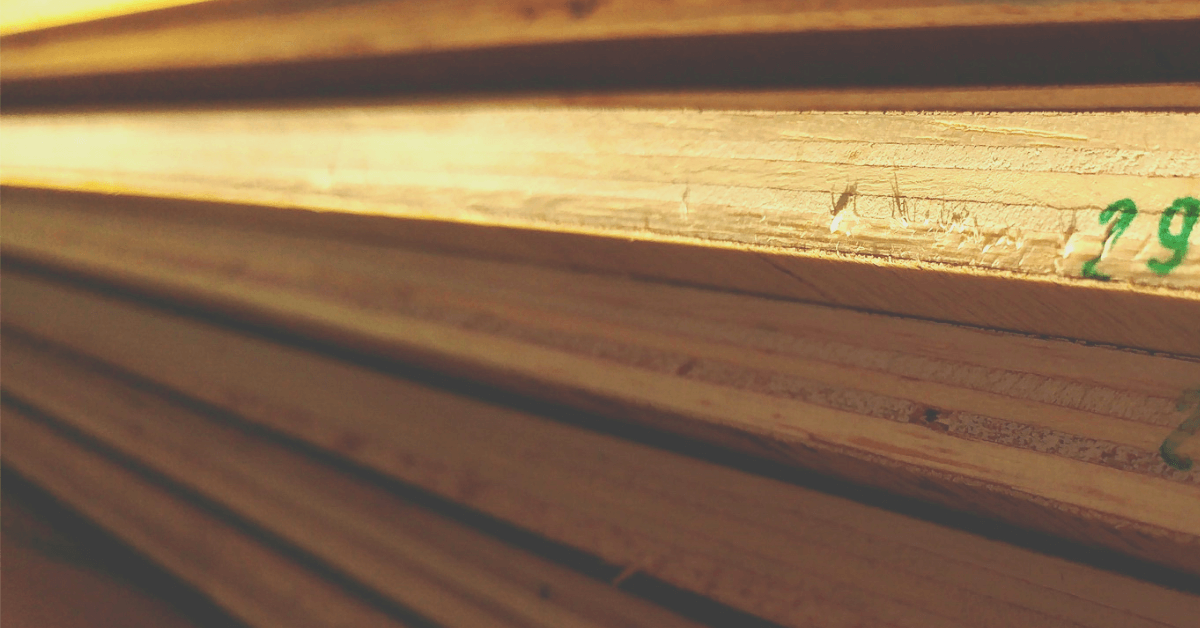
Exterior plywood is a durable, dimensionally stable, and moisture-resistant type of plywood designed for outdoor applications. It is manufactured using waterproof adhesive that allows it to withstand occasional exposure to rain, humidity, and changing weather conditions.
Exterior plywood is commonly manufactured from wood species such as Douglas fir, spruce, pine, birch, oak, and mahogany, depending on the manufacturer and intended application.
The veneer layers are bonded together using phenol-formaldehyde (PF) adhesive, a waterproof glue that provides excellent moisture and weather resistance.
Plywood is one of the most widely used engineered wood products for construction, furniture, and cabinetry. It is available in many grades and types, each designed for specific applications. Choosing the right plywood is important because every grade has different strength, appearance, and durability characteristics.
Compared with standard interior plywood, exterior plywood is stronger, more durable, and more resistant to moisture, although it generally costs more.
Common Uses of Exterior Plywood
Exterior plywood is suitable for a wide variety of outdoor construction projects, including:
- Exterior siding
- Decking
- Sheds
- Roofing
- Subfloors
- Outdoor furniture
- Fencing
- Wall sheathing
Its waterproof adhesive and durable construction help resist moisture and weather better than standard interior plywood.
Because of its moisture resistance, exterior plywood is also used indoors in areas that experience occasional humidity, such as:
- Kitchen cabinets
- Bathroom cabinets
- Utility rooms
- Benchtops
- Laundry areas
Exterior plywood is also commonly used as subflooring, where strength and dimensional stability are important.
How to Identify Exterior Grade Plywood
There are many types and grades of plywood, each manufactured for different purposes. Understanding the differences helps you choose the correct panel for your project.
You can identify exterior plywood by several characteristics.
- The panel is bonded with waterproof phenol-formaldehyde adhesive.
- The veneer layers are tightly bonded with minimal internal gaps or voids.
- It is commonly manufactured from softwoods such as Douglas fir or pine, although hardwood versions are also available.
- Many structural panels are stamped with an “Exterior” or “Exposure 1” rating depending on the intended use.
- Some panels, such as CDX plywood, include the letter X, indicating exterior-grade adhesive.
Understanding Plywood Grades
The letters on plywood indicate the quality of each face.
For example:
- A – Smooth surface with virtually no defects
- B – Minor repairs permitted
- C – Small knots and repairs allowed
- D – Larger knots and visible defects
For example, CDX plywood has a C-grade face, a D-grade back, and uses exterior-grade waterproof adhesive.
Advantages and Disadvantages of Exterior Plywood
Like any building material, exterior plywood has both benefits and limitations.
Advantages
1. Versatile
Exterior plywood can be used in a wide variety of residential and commercial construction projects. It performs well in both indoor and outdoor environments.
2. Durable
Exterior-grade plywood is highly durable and generally stronger than MDF or particleboard. It withstands moisture, seasonal weather changes, and structural loads much better than many engineered wood products.
3. Dimensional Stability
The cross-laminated veneer construction helps minimize shrinking, swelling, and warping.
Compared to ordinary interior plywood, exterior plywood performs much better in humid environments.
4. Good Surface Quality
Higher grades of exterior plywood have smooth, attractive surfaces with fewer knots and defects, making them suitable for painting or finishing.
5. Wide Range of Grades
Exterior plywood is available in numerous grades and thicknesses, allowing homeowners and contractors to select the right panel for almost any application.
Disadvantages
1. More Expensive
Exterior plywood costs more than interior plywood because it uses waterproof adhesives and higher manufacturing standards.
2. Not Completely Waterproof
A common misconception is that exterior plywood is waterproof.
In reality, it is water-resistant, meaning it can tolerate occasional exposure to moisture but should not remain continuously submerged in water.
Proper sealing greatly increases its service life.
3. Grade Selection Can Be Confusing
Because plywood is available in many grades and ratings, selecting the correct product can be confusing for beginners.
Always check the manufacturer’s grade stamp before purchasing.
What Are the Grades of Exterior Plywood?
Exterior plywood is available in several grades based on veneer quality.
The four basic veneer grades are:
- Grade A
- Grade B
- Grade C
- Grade D
These grades describe the appearance and quality of the veneer surfaces.
1. CDX Plywood
CDX is one of the most common structural exterior plywood grades.
The letters C and D represent the veneer grades on each face, while X indicates that exterior-grade waterproof adhesive has been used.
Common Uses
- Roof sheathing
- Wall sheathing
- Subfloors
- Construction projects
- Temporary structures
CDX is intended primarily as a structural panel rather than a decorative finish material.
2. CD Plywood
CD plywood also has C-grade and D-grade veneer faces but generally uses interior or non-exterior adhesive, depending on the manufacturer.
It is less expensive than CDX and is usually intended for interior structural applications.
Common Uses
- Interior construction
- Subflooring
- Wall framing
- Underlayment
If used outdoors, it should always be protected from direct weather exposure.
3. A-Grade Plywood
A-grade plywood has the highest-quality veneer surface with virtually no visible knots or repairs.
It is commonly used for:
- Cabinets
- Furniture
- Shelving
- Decorative wall panels
- Finished woodworking projects
How to Seal Exterior Plywood
Although exterior plywood is designed for outdoor use, sealing it greatly extends its lifespan.
Water can eventually penetrate exposed edges and unfinished surfaces, causing swelling and deterioration over time.
Several finishing options are available.
Polyurethane
Applying two or three coats of exterior-grade polyurethane provides excellent moisture protection while preserving the wood’s natural appearance.
Exterior Paint
Another effective method is:
- Apply an exterior primer.
- Apply two coats of high-quality exterior paint.
- Seal all edges and cut ends carefully.
Proper sealing significantly improves long-term durability.
Marine Plywood vs Exterior Plywood
Marine plywood and exterior plywood are often confused because both use waterproof adhesives.
However, marine plywood is manufactured to much stricter standards.
Marine plywood contains:
- Higher-quality veneer
- Very few internal voids
- Waterproof phenolic adhesive
- Better structural consistency
Because of its superior construction, marine plywood performs better in high-moisture environments and is generally more expensive than exterior plywood.
Common Uses of Marine Plywood
- Boats
- Docks
- Decks
- Outdoor flooring
- Sheds
- Roofing
- Fences
- Exterior structures
Conclusion
Exterior plywood is one of the most reliable engineered wood products for outdoor construction. Its waterproof adhesive, dimensional stability, and good strength make it suitable for projects such as roofing, siding, sheds, subfloors, and outdoor furniture.
Although it costs more than standard interior plywood, its improved durability and moisture resistance make it a worthwhile investment for many exterior applications. For maximum service life, always seal exposed surfaces and edges with an appropriate exterior finish.